

Every autumn, small business owners across the UK wait to hear what the Chancellor has planned for tax, spending and business support. This year is no different, and with so much speculation in the air, it pays to prepare early rather than react later. Understanding potential changes can help you make informed financial decisions, manage cash flow and protect your profits. Tax Planning services in London can provide guidance when preparing for possible Budget announcements and their impact on your business. In this guide, we explain when the Autumn Budget takes place, what changes are being predicted, and what you can do now to prepare. From reviewing your tax position and checking your cash flow to considering profit extraction and keeping digital records up to date, taking steps early can reduce uncertainty. Being prepared also gives you more time to adjust your plans and respond confidently when announcements are made.
When is the Autumn Budget 2026?
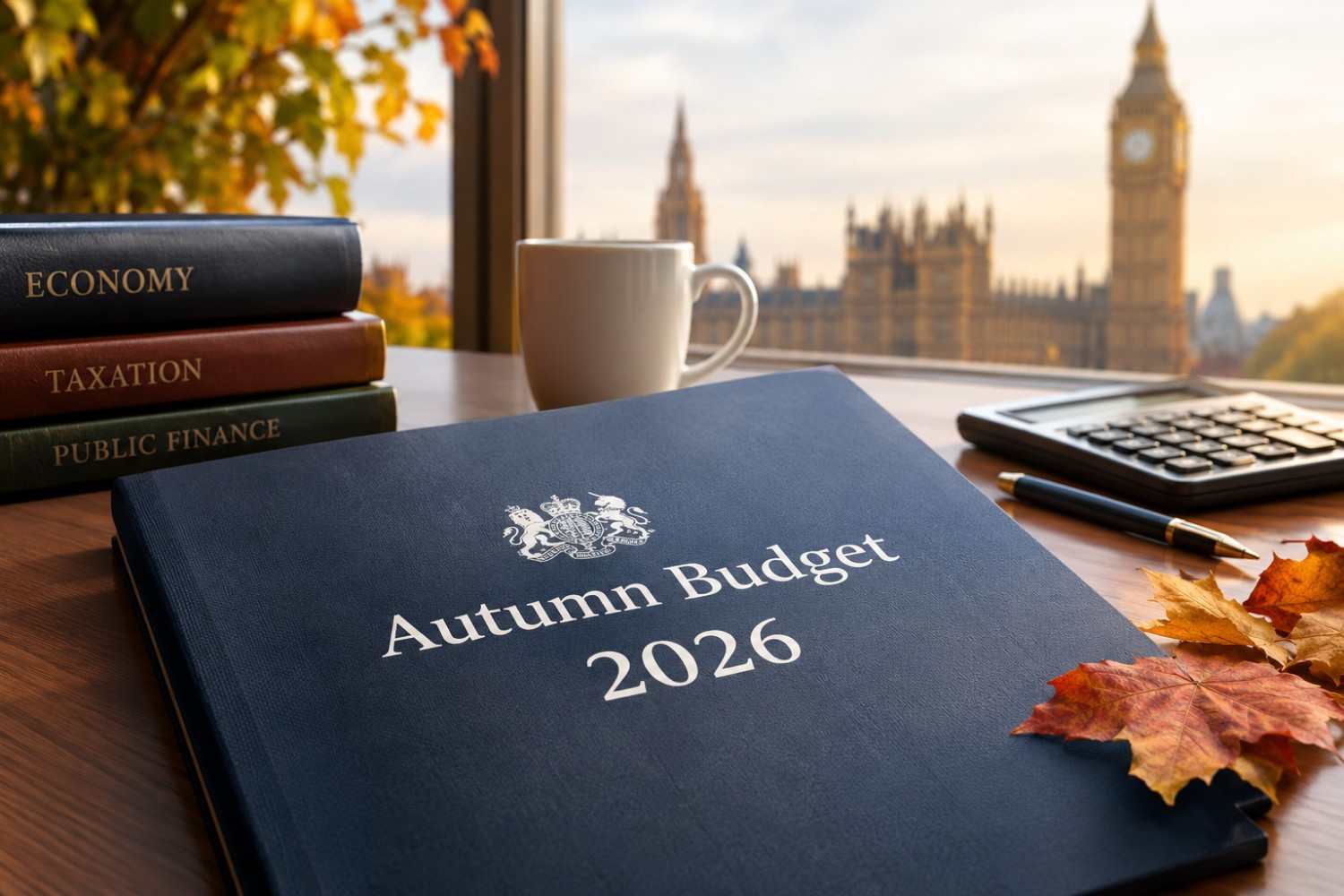
The Chancellor confirmed the date in a letter to the Treasury Select Committee, and the Budget will be delivered on Wednesday 28 October 2026. The Office for Budget Responsibility will publish fresh forecasts on the same day.
That matters because Budget day is not only about speeches. Some measures can take effect immediately or the following day, while others are set to start from the new tax year in April 2027. It is also worth remembering that no changes to income tax, VAT or National Insurance have been confirmed for 28 October. Until the Chancellor stands up, everything you read is a forecast, not a fact. The smart approach is to separate what is already settled from what is only rumoured, and to plan for both.
What small business owners should expect from the Autumn Budget
Most Autumn Budget 2026 predictions point in one direction: the government needs to raise money, and small businesses are watching closely. One commentator warned that owner-managers should not expect much help and should prepare for some form of tax rise or higher cost.
Here is what is being discussed on the tax side. Any Autumn Budget 2026 tax changes are likely to be targeted rather than sweeping. Major corporation tax changes appear less likely, although targeted reforms remain possible. There is also talk of changes to employer costs, which could affect your payroll budget, so Autumn Budget 2026 National Insurance is one to watch even though nothing is confirmed.
Business rates are another area of focus. Reports suggest the Autumn Budget 2026 business rates package will include further reform. The Prime Minister has said business rates changes will feature, and one idea reported is lifting the Small Business Rate Relief threshold from £12,000 to £17,096. If that happens, Small Business Rate Relief changes 2026 could remove rates bills altogether for more small firms. One suggested way to fund it is treating holiday lets as second homes instead of businesses.
Finally, there are calls to raise the Autumn Budget 2026 VAT threshold, currently £90,000, to help micro-businesses grow. That is a wish-list item rather than a promise, so keep an eye on it without building it into your plans. If you want a steady hand through all of this, our accounting services for small business keep your records clean and your numbers ready, whatever the Chancellor announces.
How the Budget could affect your cash flow and forecasting
Budget announcements rarely hit your bank account on the same day, but they change your forecasts quickly. A small rise in employer costs, a change to how you extract profit, or a new tax bill landing in January can all squeeze working capital.
This is where cash flow management and forecasting in London becomes practical rather than theoretical. Before 28 October, we recommend you:
- Build a best-case and worst-case forecast for the next 12 months, so you can see how a tax rise or extra cost would affect your cash.
- Review your upcoming tax payments, including any payments on account due in January.
- Chase overdue invoices now, before any new costs arrive.
- Check supplier terms and energy costs, especially if you run a pub, venue or other premises-heavy business.
The goal is simple: know how much headroom you have before the news breaks, not after.
Tax planning steps to take before 28 October
You do not need to wait for the Budget to take sensible action. These steps are worth doing now, because they remain useful whatever is announced:
- Review how you take profit. If you are a company director, check your balance of salary and dividends for the rest of the tax year.
- Use the allowances you already have. Pension contributions, capital allowances and annual allowances can be lost if unused.
- Get your records digital. Making Tax Digital for Income Tax 2026 is already live for many sole traders and landlords, so quarterly digital records are no longer optional for those in scope.
- Check your Self Assessment position early. Working with tax return accountants in London means any surprises appear in October, not January.
- Plan for the new tax year. Anything announced on 28 October will usually feed into your 2027/28 planning, so start modelling now.
If you would rather hand the paperwork to someone else, a dedicated self assessment tax return service in London can take the pressure off while you focus on running the business.
When to speak to a small business financial advisor in London
Many owners wait until something goes wrong before asking for advice. The better time is before a major announcement, when you still have options.Consider speaking to a small business financial advisor in London if you are planning to take on staff, buy equipment, raise finance, extract profit from your company or sell the business in the next few years. A good adviser will not just react to the Budget. They will help you decide whether a change actually affects you and what to do about it.
Larger or fast-growing firms often benefit from broader support too. Business financial advisors in London can stress-test your plans against different tax scenarios, while financial planning management in London helps you link the Budget to your longer-term goals, such as succession or exit planning. If you need senior-level guidance without a full-time salary, a virtual finance director in London can build forecasts, challenge assumptions and sit alongside you as a genuine business partner. And for day-to-day compliance, local accountants in London who know your sector can spot issues early.
What does the Autumn Budget mean for limited company directors?
Company directors are one of the groups most exposed to speculation. Commentators have predicted several measures that would directly hit directors, including a withdrawn tax-free dividend allowance and a so-called stealth tax rise on company directors.
If the Autumn Budget 2026 dividend tax rules change, the way you pay yourself could become more expensive. That does not mean you should rush into decisions, but it does mean you should model your options now. Capital gains is another worry. A rise in the Autumn Budget 2026 capital gains tax rate would matter to anyone planning to sell shares or exit a business, so succession plans deserve a fresh look.
Contractors have their own concerns. For readers asking about Autumn Budget 2026 for contractors, advisers do not expect an IR35 rewrite on 28 October, but one prediction is a new levy on contractors earning above £75,000, along with an update on the employment status review. Again, these are predictions, so treat them as scenarios to plan for rather than certainties.
Read More: How Making Tax Digital Will Affect Pharmacists in the UK
How Autumn Budget 2026 affects landlords and sole traders
For many sole traders and landlords, the biggest change of 2026 has nothing to do with the Budget. Since 6 April 2026, Making Tax Digital has covered sole traders and landlords with qualifying income above £50,000. The qualifying threshold then drops to £30,000, assessed on the 2025-26 Self Assessment return, bringing another group into quarterly digital reporting.
In practice, that means keeping digital records and sending HMRC an update every three months through approved software. If you are searching for what the Autumn Budget 2026 for sole traders will bring, expect continued focus on compliance and digital reporting alongside any tax measures. The Budget may also update proposals on timely payments in Self Assessment.
Landlords should also watch the holiday let rumour mentioned earlier. If holiday lets were reclassified as second homes, owners could face council tax and lose eligibility for business rates relief. Nothing is confirmed, but it is a good reason to review your property structure and records now.
Read More: Tax Planning for Pharmacies & Vet Clinics in London
Prepare now, not after the Budget
The Autumn Budget may bring important headlines, but your business does not need to be caught off guard. Review your cash flow, assess how you take profits, organise your digital records, and decide who you will contact when the announcements are made. Preparing early can help you respond confidently to changes affecting your finances, tax position, or business planning.
At Fred Michael & Co Ltd, we support business owners across Barking and London with practical accounting and financial guidance. We can help you understand what the Autumn Budget may mean for your business and identify steps to prepare. Want to know how the Autumn Budget could affect your business? Book a free consultation with Fred Michael & Co Ltd today.