
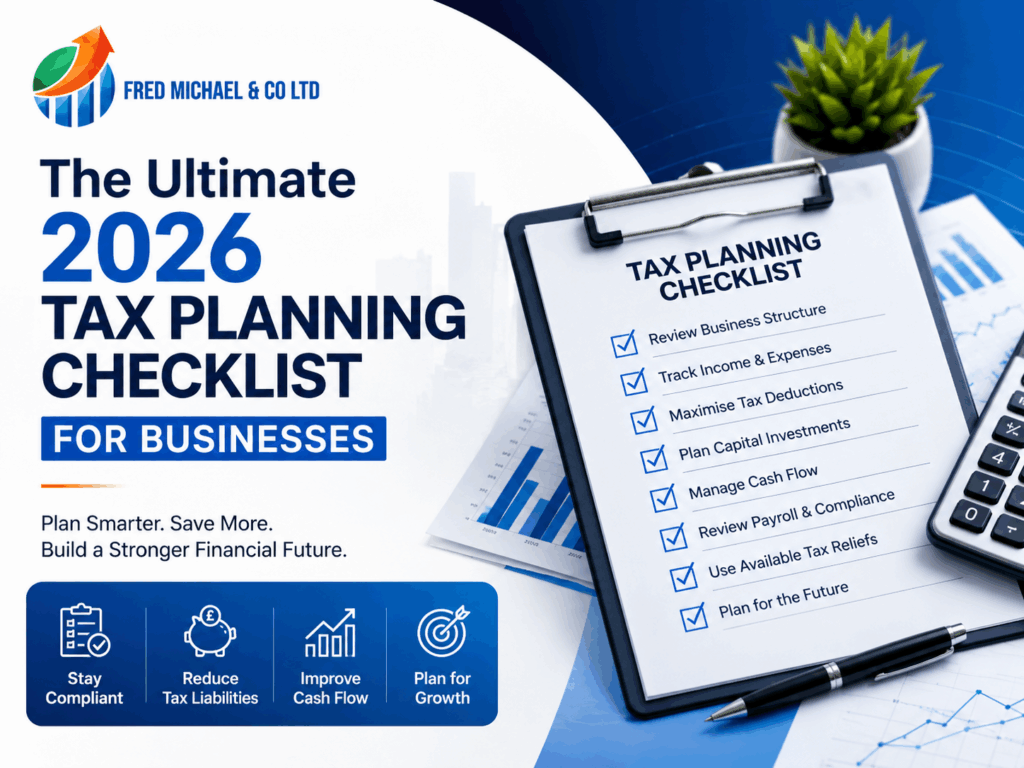
As businesses prepare for another financial year, tax planning is becoming more important than ever. A proactive approach to managing taxes not only helps reduce unnecessary liabilities but also strengthens overall financial stability. With changing regulations, evolving business models, and increasing compliance requirements, 2026 presents an opportunity for companies to review their financial strategies before deadlines arrive.
Whether you run a startup, a growing enterprise, or an established company, having a structured tax planning checklist can make a significant difference. Businesses that plan ahead are better positioned to improve cash flow, make informed investment decisions, and remain compliant with tax authorities.
Companies helping businesses understand financial responsibilities begins with education and strategic planning rather than last-minute decisions. Here is a practical checklist to help businesses prepare for a successful tax year in 2026.
1. Review Your Business Structure
The first step in effective tax planning is reviewing whether your current business structure still suits your operations. As companies grow, their tax obligations often change.
Consider whether your current setup continues to provide the most efficient tax treatment. Changes in revenue, staffing, or expansion into new markets may justify restructuring your business.
A professional review can identify opportunities to improve tax efficiency while ensuring compliance with current regulations.
2. Keep Financial Records Accurate Throughout the Year
One of the biggest challenges businesses face during tax season is incomplete or disorganized financial records.
Maintaining updated records throughout the year makes tax preparation much easier and reduces the risk of costly errors. Accurate financial documentation also supports better budgeting, forecasting, and business decisions.
Many companies rely on Bookkeeping and Accounting Services to maintain organized financial records while ensuring every transaction is properly documented.
3. Monitor Business Expenses Carefully
Every legitimate business expense can potentially reduce taxable profits. However, deductions must be supported by accurate records and appropriate documentation.
Businesses should regularly review expenses including:
- Office costs
- Professional services
- Equipment purchases
- Travel expenses
- Marketing costs
- Employee training
- Software subscriptions
Keeping receipts and maintaining digital records simplifies tax reporting and reduces audit risks.
Read More: Tax Planning for 2026‑27: How to Save Tax Legally
4. Plan Capital Investments Strategically
Purchasing equipment, technology, or business assets at the right time can create valuable tax advantages.
Instead of making investment decisions purely based on immediate needs, consider how the timing of purchases affects annual tax liabilities.
Capital expenditure planning should always align with long-term business objectives rather than focusing only on short-term tax savings.
5. Improve Cash Flow Before Tax Deadlines
Tax planning isn’t just about reducing taxes—it’s also about ensuring your business has enough cash available when payments become due.
Poor cash flow management often forces businesses to rely on borrowing simply to meet tax obligations.
Using outsourced credit control services can help businesses collect outstanding invoices faster, reduce overdue payments, and maintain healthier working capital throughout the year.
6. Review Payroll Compliance
Employee payroll remains one of the most heavily regulated areas of business finance.
Businesses should ensure that:
- Employee records are accurate
- Payroll calculations are correct
- Tax deductions are properly applied
- Pension contributions are up to date
- Reporting deadlines are consistently met
Many organisations now use payroll services for small businesses to reduce administrative work while improving compliance and accuracy.
7. Maximise Available Tax Reliefs
Many businesses fail to claim valuable tax relief simply because they are unaware of available opportunities.
Depending on your circumstances, relief may be available for:
- Research and development
- Capital investments
- Employee training
- Pension contributions
- Business losses
- Charitable donations
Understanding available reliefs early allows businesses to make smarter financial decisions throughout the year.
8. Create a Long-Term Financial Strategy
Tax planning should never happen in isolation.
Instead, it should form part of broader financial planning management, allowing business owners to align tax decisions with future growth, investment, recruitment, and expansion goals.
A long-term financial strategy helps businesses:
- Improve profitability
- Forecast future obligations
- Reduce financial surprises
- Support sustainable growth
Planning ahead creates greater financial confidence across every stage of business development.
9. Stay Updated on Tax Law Changes
Tax legislation changes regularly, and even small regulatory updates can affect business finances.
Business owners should regularly review:
- Corporation tax updates
- VAT requirements
- Employment tax rules
- Allowance changes
- Filing deadlines
- Reporting obligations
Remaining informed reduces compliance risks while helping businesses take advantage of new opportunities introduced by government policy.
10. Work with Experienced Tax Professionals
Perhaps the most valuable item on any tax planning checklist is choosing trusted professional advisers.
Working with experienced accountants allows businesses to identify risks before they become problems and uncover legitimate tax-saving opportunities that may otherwise be overlooked.
Businesses often seek guidance from top accounting firms in London because professional expertise can improve financial decision-making beyond annual tax returns.
Professional advice becomes especially valuable during periods of business growth, acquisitions, expansion, or major investment.
Read more: Essential Financial Planning Strategies for Growing Small Businesses
Why Early Tax Planning Matters
Many business owners only think about taxes when filing deadlines approach. Unfortunately, this often limits the opportunities available for reducing tax liabilities.
Early planning provides several important advantages:
- Better cash flow forecasting
- Fewer compliance issues
- Reduced financial stress
- Improved budgeting
- Smarter investment decisions
- Greater business confidence
Most importantly, proactive planning gives business owners time to make informed financial choices instead of rushed decisions.
Building a Strong Financial Future
Tax planning is not simply about paying less tax—it is about making smarter business decisions throughout the year.
Successful businesses treat tax planning as part of an ongoing financial strategy rather than an annual task. Regular reviews, organised financial records, and professional guidance all contribute to stronger financial performance.
At Fred Michael & Co Ltd, businesses are encouraged to take a proactive approach to financial management by planning ahead, reviewing their financial position regularly, and making informed decisions based on accurate information. Thoughtful preparation today helps create greater financial resilience and long-term business success in 2026.

FAQ
1. Why should businesses start tax planning before the end of the financial year?
Early tax planning provides more opportunities to reduce tax liabilities, improve cash flow, and avoid last-minute compliance issues.
2. What documents should businesses keep for tax purposes?
Businesses should retain invoices, receipts, payroll records, bank statements, expense reports, contracts, and financial statements to support accurate tax reporting.
3. How often should businesses review their tax strategy?
A quarterly review is recommended, with a comprehensive annual review before the financial year ends to identify planning opportunities.
4. What are the benefits of professional Tax Planning services?
Professional Tax Planning services help businesses remain compliant, identify available reliefs, improve tax efficiency, and support informed financial decisions.
5. Can tax planning improve overall business performance?
Yes. Effective tax planning improves budgeting, strengthens cash flow, supports investment decisions, and contributes to sustainable long-term business growth.